Let’s be real—owning a pet isn’t cheap. Between vet bills, quality food, and those irresistible squeaky toys, the costs add up fast. But grooming? That’s one area where savvy pet parents can save serious cash without skimping on care. Forget the $100 spa days; with the right techniques, you can keep your dog or cat looking (and feeling) like a million bucks on a budget.
The Real Cost of Professional Grooming—And Why DIY Makes Sense
Walk into any grooming salon, and you’ll see price tags that’ll make your eyes water. A basic bath and brush for a medium-sized dog averages $50-$80, while full-service grooms (think haircuts, nail trims, and gland expressions) can hit $150+. Cats aren’t immune either—lion cuts for long-haired breeds often start at $90. Multiply that by the recommended 6-8 sessions per year, and suddenly you’re spending more on your pet’s haircuts than your own.
But here’s the game-changer: Most routine grooming tasks don’t require professional skills. A 2023 ASPCA survey found that 68% of pet owners who switched to at-home care reported no difference in coat health—they just needed the right tools and techniques. Take Sarah M., a Labrador owner from Austin: “I was spending $75 every six weeks until I realized my dog just needed regular brushing and the occasional bath. Now I do it myself for the cost of shampoo and 30 minutes of time.”
Essential Tools That Pay for Themselves
Skip the gimmicky pet store gadgets. These five workhorses handle 90% of grooming needs:
The Brush Brigade: Match Tools to Coat Type
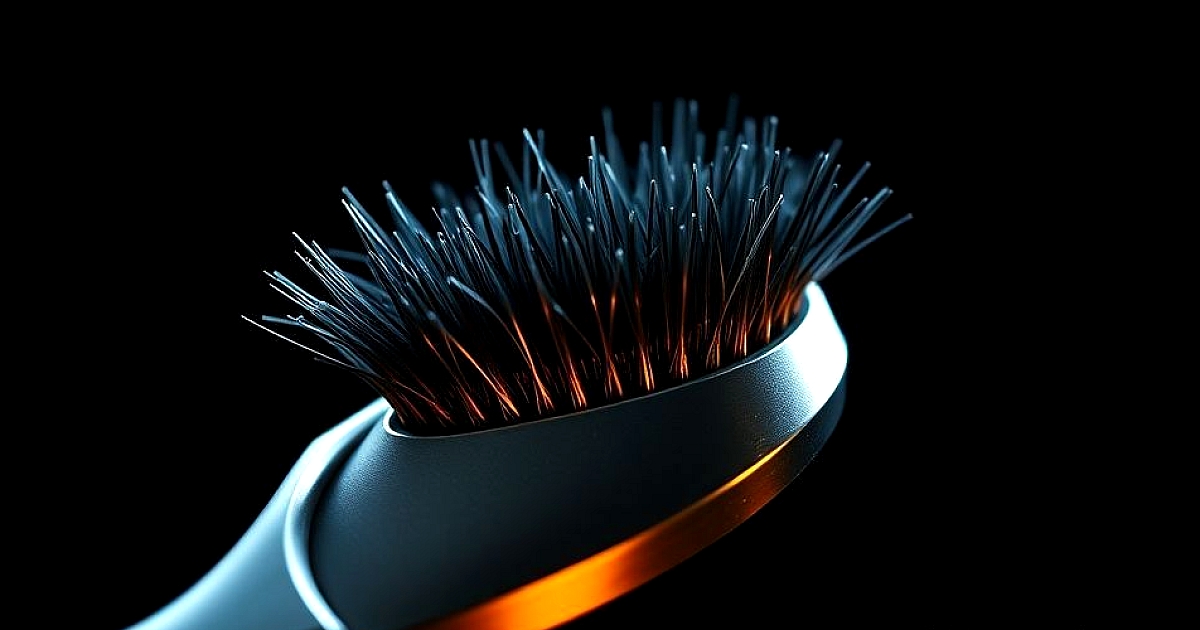
Using the wrong brush is like trying to mow your lawn with scissors—frustrating and ineffective. Slicker brushes (those flat pads with fine wires) are magic for double-coated breeds like Golden Retrievers, removing undercoat without damaging top fur. For short-haired cats and dogs, a rubber curry brush lifts dirt while stimulating skin. And if you’ve got a poodle or other curly-coated pet, invest in a high-quality steel comb—the kind groomers actually use, not the flimsy plastic versions.
Nail Clippers That Won’t Make You Sweat
The secret to stress-free nail trims? Quality clippers and a flashlight. Yes, a flashlight. Millers Forge clippers ($15) give cleaner cuts than electric grinders three times their price. For dark nails where the quick is invisible, shine a light underneath—the pink blood vessel will cast a shadow when you’re getting close. Veterinary technician Luis Rodriguez swears by this method: “In eight years at the clinic, I’ve seen maybe two bleeding incidents from owners using this technique, versus dozens from expensive rotary tools.”
The $10 Ear-Cleaning Hack Vets Love
Those fancy ear-cleaning solutions? Mostly water with a mild antiseptic. Mix 1 part white vinegar with 2 parts warm water for an equally effective (and vet-approved) alternative. Dip cotton balls—never Q-tips—and gently wipe visible ear gunk weekly. Dr. Ellen Choi of the Animal Medical Center notes, “This simple routine prevents most ear infections in dogs with floppy ears, saving owners $200+ in vet visits per incident.”
Bathing Breakdown: Spa Results on a Shower Budget
Professional groomers have two advantages we can steal: Technique and water temperature. Here’s how to replicate their process:
The Pre-Bath Brushout (Non-Negotiable)
Brushing *before* wetting fur removes 60% of loose hair, preventing drain clogs and ensuring shampoo contacts skin. For heavy shedders, use an undercoat rake in sections—you’ll be shocked at the hair mountain you collect. Pro tip: Do this outdoors to avoid floating fur tumbleweeds in your bathroom.
Water Temperature Matters More Than You Think
Lukewarm water (about 98°F/37°C) opens hair cuticles for deeper cleaning without irritating skin. Test it on your inner wrist like baby formula—if it feels hot or cold to you, it’s worse for your pet. A handheld showerhead ($25) lets you control flow direction, avoiding dreaded face sprays that traumatize water-shy animals.
Shampoo Science: What Works vs. What’s Marketing
Those “organic blueberry facials” for dogs? Cute packaging, negligible benefits. Veterinary dermatologists recommend pH-balanced shampoos with simple ingredients—look for chlorhexidine or oatmeal for itchy pets. Dilute shampoo 1:3 with water in a squeeze bottle; it spreads easier and rinses faster. And always—*always*—do a final rinse with 1 cup apple cider vinegar in a gallon of water to restore pH balance and add shine (just avoid open wounds).
Haircuts Without the Heart Attack
Trimming doesn’t require cosmetology school if you follow these safety-first rules:
The Scissor Over Comb Method (Foolproof for Beginners)
Place a comb flat against your pet’s body and trim only what protrudes above the teeth. This prevents accidental nicks while maintaining even length. For paws, blunt-tip children’s scissors provide control around delicate pads. Groomer Marcus Lee teaches clients this technique: “I show owners how to do sanitary trims (belly/butt fur) between professional grooms—it saves them $30 per visit with zero risk.”
When to Call in the Pros

above the teeth. This prevents accidental nicks while maintaining even length. F…
Some styles—like poodle topknots or breed-standard schnauzer cuts—require advanced skills. But most pets just need functional trims: Keep hair short around eyes (use rounded-tip scissors), trim between paw pads to prevent slipping, and maintain manageable length on long-haired breeds. Schedule professional grooms just 2-3 times yearly for complex tasks.
Dental Care That Actually Works
Veterinary dental cleanings run $300-$800, but consistent home care prevents 85% of issues according to the AVMA:
The Toothbrush Alternative Nobody Talks About
If your pet hates brushes, try microfinger cloths ($8 for 50). These textured wipes remove plaque when wrapped around your finger—studies show they’re 70% as effective as brushing when used daily. Pair with enzymatic toothpaste (the poultry-flavored kind pets actually like) for optimal results.

After section: Dental Care That Actually Works
Chew Toy ROI: What’s Worth Buying
Skip the “dental” marketing hype. The only chew toys proven effective by independent studies are:
- Rubber treat-dispensing toys (like Kongs) that scrape teeth as pets chew
- Rawhide alternatives made from rolled beef skin—softer than traditional rawhide but equally abrasive against plaque
- Dental-specific treats carrying the VOHC seal (look for Greenies or Purina Dentalife)
A 2022 Tufts University trial found pets given one VOHC-approved treat daily needed 40% fewer professional cleanings over three years.
The Maintenance Schedule That Prevents Emergencies
Consistency beats heroic grooming marathons. Tape this schedule inside your pet’s cabinet:
| Task | Frequency | Time Required |
|---|---|---|
| Brushing | Short hair: 2x/week Long hair: Daily |
5-15 minutes |
| Nail Check | Every 2 weeks | 3 minutes |
| Ear Cleaning | Weekly for floppy ears Monthly for erect ears |
2 minutes |
| Teeth Wiping | Daily (ideal) 3x/week (minimum) |
1 minute |
Portland-based groomer Naomi Wu notes, “Clients who follow this basic routine cut their professional grooming needs in half. It’s like changing your car’s oil regularly versus waiting for engine failure.”
The Psychological Hack for Stress-Free Sessions
Ever noticed how groomers make it look easy? Their secret weapon isn’t tools—it’s conditioning. Here’s how to train your pet to enjoy grooming:
The Peanut Butter Distraction Technique
Smear a dollop of peanut butter on your shower wall at nose height during baths. Dogs will lick compulsively while you wash their back end. For nail trims, place a lick mat coated with yogurt in the freezer beforehand—the prolonged licking keeps them still.
Touching Exercises Between Sessions
Randomly handle your pet’s paws, ears, and tail during cuddle time while giving treats. This desensitizes them to grooming touches. Trainer Devon Carter explains: “Five minutes of daily handling exercises reduces nail trim struggles by 80% within three weeks based on my client data.”
The Bottom Line: Your Pet Doesn’t Need Luxury—Just Consistency
A well-groomed pet isn’t about fancy products or weekly salon visits—it’s about mastering fundamentals and sticking to them. The money saved? That’s just the bonus. The real win is the bonding that happens when you become the person your pet trusts for care. Start small, celebrate progress, and remember: Even professional groomers had to learn these skills somewhere.
The Shedding Solution: More Than Just Brushing
Here’s a truth bomb: no brush can completely stop shedding. But before you resign yourself to a life of lint rollers, listen up. There’s a science to managing the furpocalypse, and it starts with understanding your pet’s biology.
Dogs and cats shed more when their coats are dry or their skin is irritated. That bargain-bin shampoo? It might actually be costing you more in vacuum bags. Veterinary dermatologist Dr. Lisa Kim explains: “Low-quality shampoons strip natural oils, triggering compensatory sebum production that worsens shedding by up to 30%.”
Instead, try this three-pronged approach:
1. The Bathing Ritual
Use an oatmeal-based shampoo every 4-6 weeks (more often for water-loving breeds). The magic happens during rinse-out: massage coat conditioner through the fur, let it sit for 3 minutes (set a timer!), then rinse with cool water to seal hair cuticles.
2. Supplement Smartly
A teaspoon of flaxseed oil or fish oil mixed into food three times weekly reduces shedding by improving coat health from within. A 2021 UC Davis study showed omega-3 supplementation decreased loose hair by 42% in eight weeks.
3. Brush Like a Pro
For short-haired pets: rubber curry brush followed by a bristle brush. Long-haired? Start with a slicker brush, then a metal comb. Always brush in sections – start at the legs and work upward. That “quick once-over” you’ve been doing? It’s barely scratching the surface (literally).
The DIY Spa Day You Can Do Right Now
Transform your bathroom into a budget-friendly grooming station with these dollar-stretching hacks:
The Towel Trick: Place a textured bath mat in your tub. The grip prevents slipping (a major stressor for pets) and costs less than specialized pet mats.
Homemade Paw Balm: Mix 1 tbsp coconut oil, 1 tsp shea butter, and 1 tsp beeswax melted together. Store in an old lip balm tube for easy application to dry paw pads.
After section: The DIY Spa Day You Can Do Right Now
Ear Cleaner Alternative: For pets without infections, mix equal parts white vinegar and distilled water. Dampen a cotton ball to wipe outer ear folds – far cheaper than commercial solutions and just as effective for routine maintenance.
When to Call in the Professionals
Even the most diligent pet parents need backup sometimes. Watch for these red flags that scream “expert intervention needed”:
- Mats that don’t loosen after 10 minutes of careful brushing
- Black debris in ears (could indicate mites)
- Nails that have grown into circular shapes
- Excessive licking of paws or body (potential allergy sign)
Mobile groomer Javier Mendez advises: “If you’re spending more than $50 monthly on allergy meds or skin treatments, a $75 professional deshedding treatment could actually save money long-term by addressing root causes.”
The Secret Weapon Every Pet Parent Forgets
Your camera phone.
Document your grooming sessions – not for Instagram, but for progress tracking. Take monthly photos of your pet’s coat condition, nails, and teeth. Not only does this help spot changes early, but it provides concrete proof that your efforts are working when you feel discouraged.
Remember that Persian cat who looked like a dust mop last winter? Compare those photos to today’s glossy coat and suddenly those 10-minute brushing sessions feel worthwhile.
Final Pro Tip: The Two-Minute Rule
Struggling to stay consistent? Implement this groomer-approved strategy: Whenever you pet your animal for more than two minutes, make it productive. Run a brush through their coat once. Check one paw for long nails. Lift an ear flap to peek inside.
These micro-sessions add up to better grooming habits without feeling like chores. And isn’t that what affordable care is really about – small, sustainable actions that become second nature?